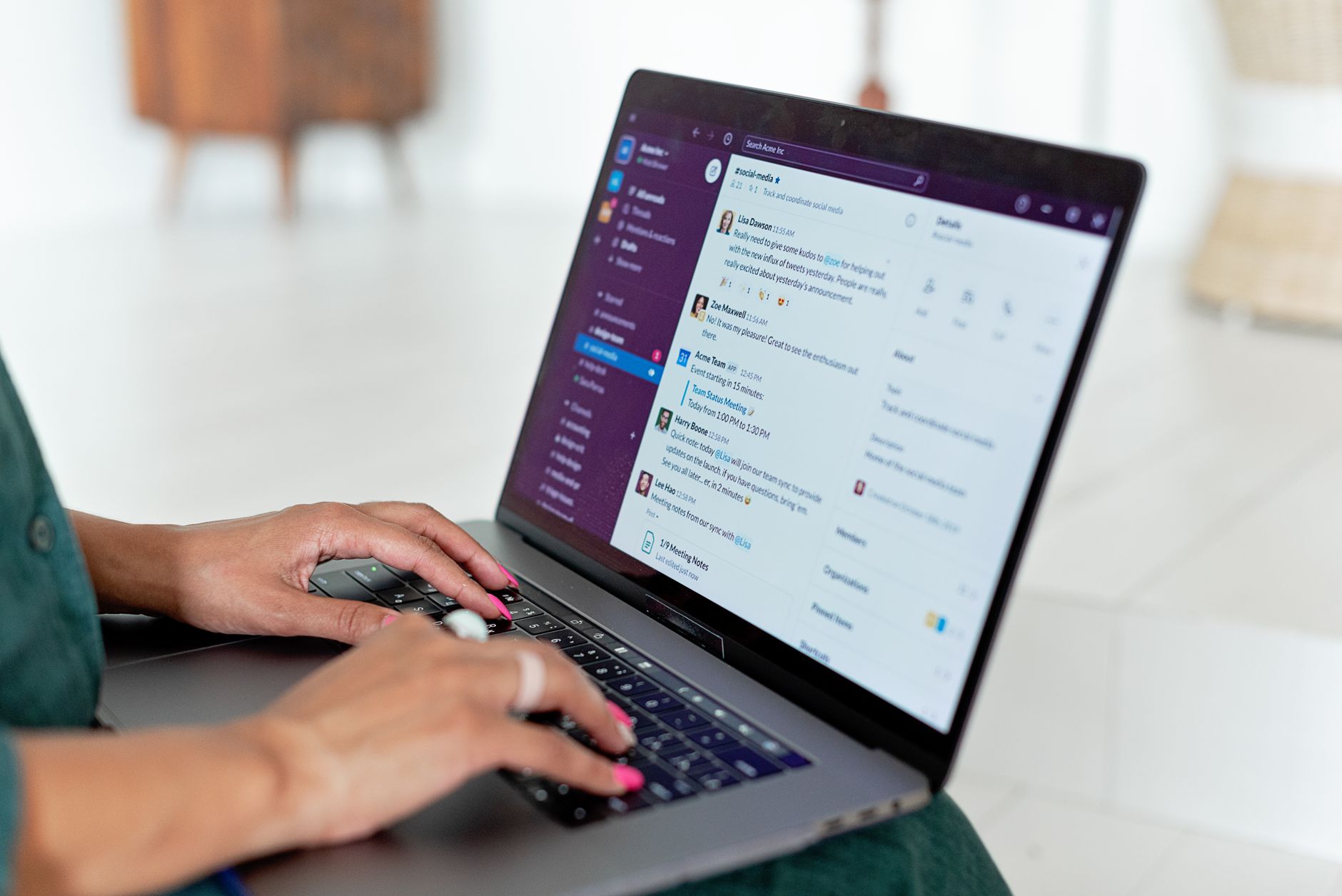
Slack’s Slackbot can now pull CRM data, generate charts, and send DocuSigns — all from a chat message, five years after Salesforce acquired the company for $27.7 billion.
The integration connects Slackbot to the entire Salesforce platform, including CRM data, Tableau analytics, and Data 360 customer profiles, through a single conversational prompt.
Slackbot is connected to the company’s Headless 360 infrastructure through a set of dedicated Model Context Protocol (MCP) servers from Salesforce.
A salesperson can now ask Slackbot for a customer’s deal history, receive a live Tableau visualization of pipeline trends, update a CRM record, and trigger a DocuSign approval — without ever switching tabs or logging into another application.
Slack reports that the Salesforce IT team has already used this architecture to save its 1,500-plus engineers thousands of custom coding hours annually.
The timing of the announcement is not accidental, as Slack faces escalating competitive pressure from Microsoft Teams and Google.
Slack CMO Ryan Gavin argues that the enterprise AI conversation has been stuck in single-player mode for too long, and that Slack is uniquely positioned to break it open.
Gavin’s core argument is that AI needs to be multiplayer, allowing teams to work together seamlessly, rather than individual users working alone.
This distinction matters commercially, as most AI assistants today default to one-on-one conversations with a single user, creating a new version of the tab-switching problem.
Slack’s answer is to make Slackbot the orchestration layer, allowing everything to happen in shared channels, making any action an agent takes visible to the entire team.
Gavin explained that Salesforce is extending its open platform through its Headless 360 strategy, making all MCP endpoints available, and Slackbot acts as an MCP client, connecting to those servers and bringing all that data in within the confines of a trusted permission platform.
Related: Intuit to showcase AI infrastructure rebuild at VB Transform 2026
Competitive pressure is real and intensifying, with Microsoft integrating Copilot across its entire productivity suite, and Google being similarly aggressive with Gemini across Workspace.
Slack plans to compete with its open channel architecture, which Gavin argues is the differentiator no competitor can replicate.
One of the key benefits of Slack’s approach is that it allows employees to make data-driven decisions and take action without leaving the conversation.
As AI continues to evolve, Slack’s biggest long-term play is making Salesforce’s CRM useful to everyone in the company, not just sales, service, and marketing professionals.
Gavin believes that this democratization of CRM will take its usage from a modest percentage of employees to the entire enterprise, making the existing Salesforce investment more valuable.
The financial logic is straightforward: if Salesforce can make its platform useful to 100 percent of a customer’s workforce, the value of the existing investment multiplies without requiring a proportional increase in spending.
Several issues remain, including pricing and performance, and how the platform will play out in a competitive market.
Analysts and CIOs should watch these developments closely as Slack rolls out its biggest AI update yet, particularly in the area of enterprise AI leaders.
Ultimately, the market will decide whether Slack’s strategy will prevail, but one thing is clear: the company is betting big on multiplayer AI and its ability to make CRM more accessible.
It is a significant development.




Leave a Reply