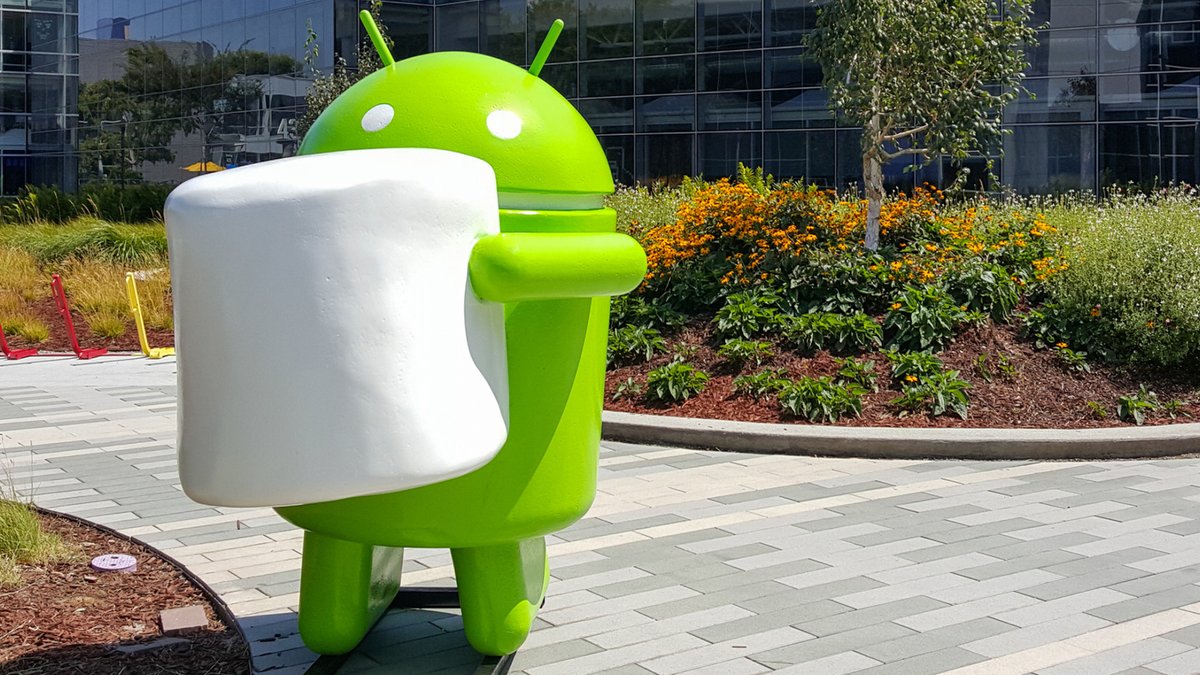
Some Android phones can no longer access Google Play due to a recent update that blocked devices running Android 6 Marshmallow from accessing the store.
The move increased the minimum supported version to Android 7 Nougat, ending nearly 11 years of support for that version. According to the filing, this change affects a small percentage of Android users, with devices running version 6 or earlier accounting for 0.4% of the Android install base accessing Play Store servers.
Android manufacturers have stepped up their efforts in terms of long-term support, with Google and Samsung offering seven years of OS and security updates for their Pixel and Galaxy customers.
However, Google’s decision to block older devices from accessing the Play Store may make it more difficult for users to keep their old phones running. They have to consider alternative options to maintain their devices.
The Google Play Store has a policy of supporting specific Android versions for about a decade from their launch. When Google deprecated Play Store support for Android 5 Lollipop devices in July 2024, that version of the operating system had already been out for more than 9 years.
As of December 2025, devices running version 7.0 and 7.1 accounted for 0.8% of the Android install base. App developers are required to comply with Google’s version targeting guidelines, which means making sure updates adapt to features included in the latest version of Android.
For those with Android Marshmallow devices, this may mean that some apps can no longer perform their advertised functions. App publishers can also opt to support a higher minimum Android version, such as YouTube requiring Android 10 and higher.
Users with older devices can still download apps from alternative sources, such as directly from the developers or from another Android app store or repository like F-Droid or streaming devices stores.
Related: Enterprise AI Faces Reality Gap, Still Deploys Widely
However, these apps may not be optimized for older devices, and their functionality may be compromised. Additionally, the device’s ability to use the internet will almost certainly be compromised at some point down the line.
The average smartphone user upgrades their device every two and a half years, according to a recent survey.
This is an increase from the average of 22 months in 2016. As Android manufacturers continue to improve their long-term support, users may be able to keep their devices running for longer periods.
But for now, older devices may require more effort to maintain, and users may need to explore alternative options for accessing apps and staying connected. One possible outcome of this change is that users with older devices may need to rely on alternative app stores or repositories.
For those committed to using their old devices, there are still plenty of good ways to repurpose them. Old Android phones can be used as dedicated devices for specific tasks, such as music players or e-readers.
They can also be donated or repurposed as devices for other family members or friends. With a little creativity, older devices can still be useful, even if they can no longer access the Google Play Store.
Google continues to update and improve the Play Store, and users can expect a more streamlined and secure experience.


Leave a Reply