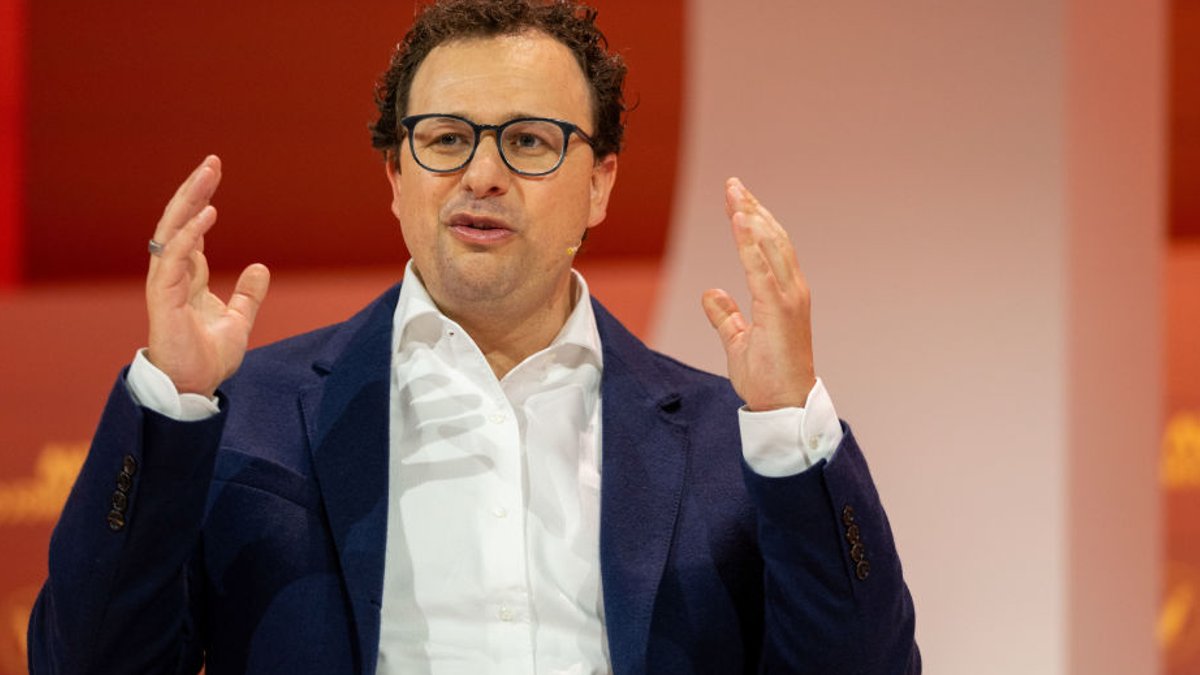
Anthropic CEO Dario Amodei addressed concerns about open-weight AI models Monday, rejecting calls to ban them while highlighting risks tied to China’s progress in the field.
No ban, but caution remains
Amodei stated in a blog post that his company has never supported prohibiting open-weight models. The clarification followed an open letter from Nvidia, Meta, Microsoft, and other AI firms urging policymakers to avoid premature restrictions on such models.
He acknowledged the benefits of open-weight models, calling them a public good due to their affordability and usefulness for businesses and researchers. However, he stopped short of endorsing unrestricted access, particularly for models developed by authoritarian governments.
Related: Europe gets its own live talk show
China’s role and biological risks
Amodei’s concerns focus on two areas: military dominance and domestic repression. Authoritarian regimes could use AI to gain permanent military advantages or control their populations. While he did not explicitly name China, he described the Chinese Communist Party as the most capable of these threats.
He also warned about AI-enabled biological attacks. Open-weight models lack built-in safeguards and cannot be recalled once released, making prevention difficult. A UK AI Security Institute report he referenced noted the irreversible nature of open releases.
The stance conflicts with open-source advocates, who argue that widely accessible models help defenders stay ahead of malicious actors. Amodei suggested tighter chip export controls, a longstanding U.S. policy, and stricter measures against distillation—where one AI model replicates another’s behavior, often through intellectual property theft. The U.S. has previously threatened sanctions over such practices.
Related: AI framework vulnerabilities expose thousands of servers
A global testing framework
Amodei endorsed the idea of a global AI safety testing organization, an approach gaining support in U.S. policy discussions. He called the concept nearly consensus, citing proposals from the Trump administration and industry groups that would subject powerful models to testing regardless of origin.
For such a system to work, he said, it would need global participation, including from the Chinese Communist Party. Limited cooperation might be possible, especially around preventing AI-enabled biological weapons, which he believes aligns with China’s interests. Whether Beijing would agree remains uncertain.
Amodei’s position allows for open models but insists on guardrails. The difficulty lies in determining where those limits should be set.




Leave a Reply