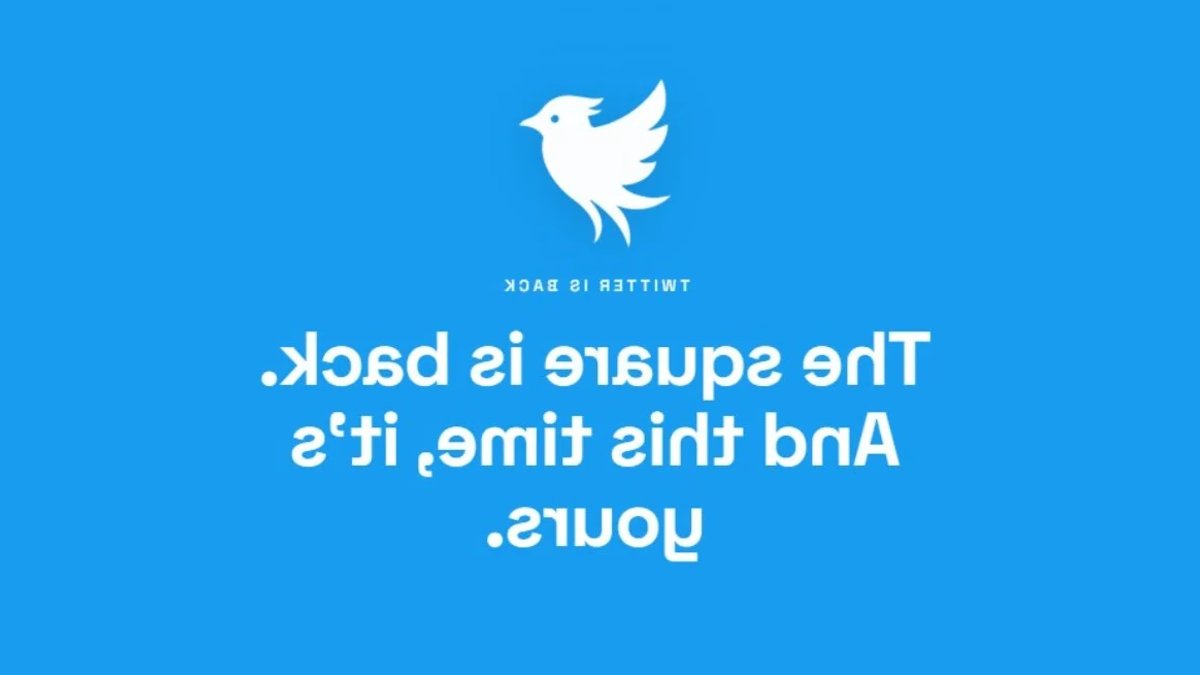
Operation Bluebird, a startup headquartered in Virginia, has taken a bold step toward reviving the iconic Twitter brand by unveiling a new social media service called Twitter.now. The platform is deliberately crafted to echo the look and feel that long‑time users associate with the original site, positioning it as a direct successor in both aesthetic and functional terms.
The timing of the launch is striking, as the company finds itself embroiled in a courtroom confrontation with X Corp., the entity that currently holds the rights to the former Twitter trademark. This legal clash centers on who may legitimately employ the name and associated branding, a dispute that has drawn significant attention from observers of the tech and social‑media setting.
Stephen Coates, who co‑founded Operation Bluebird, explained that the decision to move forward was driven by a confluence of strategic factors. He highlighted that the venture already secured financial backing and had a fully operational product ready for public use, eliminating any compelling reason to delay the rollout. Coates also serves as the venture’s general counsel, a role he previously fulfilled at the original Twitter before the acquisition that led to its rebranding.
The rebranding effort undertaken by Elon Musk’s acquisition team replaced the familiar moniker with a single letter, a shift that Operation Bluebird argues effectively abandoned the legacy identity and its related trademarks. Nevertheless, X Corp. has responded aggressively, filing a lawsuit that challenges the newcomer’s right to adopt the Twitter name and associated symbols.
Related: New Samsung Wallpapers Are Now Available
In an earlier procedural move, X Corp. petitioned a federal judge to halt the launch of Twitter.now. The judge’s response was notable for its scrutiny of X Corp.’s own protective actions regarding the intellectual property at issue. He observed that the plaintiff appeared to have relinquished claims over certain core elements, such as the term used for short messages, the bird emblem, and possibly the name itself. Although a formal written opinion has yet to be issued, Coates interpreted the judge’s remarks as sufficient clearance to proceed.
Beyond its visual similarity to the predecessor, Twitter.now introduces a distinctive feature absent from the original service: an automated fact‑checking engine named Vera. This system scans user‑generated content in real time, identifying statements that may be misleading or false and flagging them for further review. By integrating Vera directly into the posting workflow, the platform aims to promote a higher standard of informational accuracy among its community.
Functionally, the new service retains familiar interaction mechanisms such as replies and the ability to share others’ posts, mirroring the core social trends that made the original platform popular. While the current membership remains limited, the inclusion of these classic tools alongside the novel verification layer suggests an ambition to blend nostalgia with contemporary concerns about misinformation.
As the legal proceedings continue, both parties appear poised to intensify their arguments before the court. Operation Bluebird has signaled its intent to keep the platform active while awaiting a definitive ruling, showing a commitment to establishing a sustainable alternative that honors the legacy of the Twitter brand while addressing modern challenges in digital discourse.





Leave a Reply