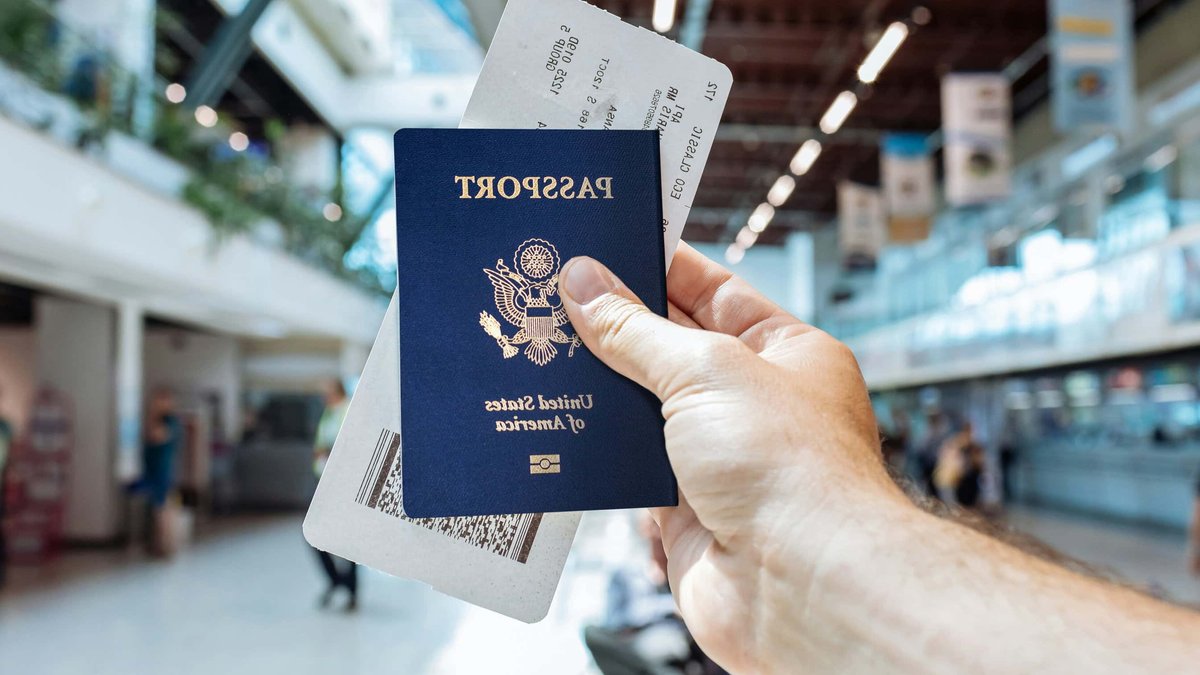
Founders of acquired startups frequently focus on celebrating the deal while their employees grapple with visa uncertainties. The transition often exposes a critical oversight: sponsored visas do not automatically transfer when ownership changes. This detail, frequently ignored in acquisition negotiations, creates urgent deadlines for affected workers.
Licence restrictions during ownership changes
The UK’s Home Office requires that a sponsor licence remain tied to the original employer. When a company is acquired, the new owner must report the change through the online sponsorship system within 20 working days. The licence itself cannot be transferred directly to the buyer. If the acquired business retains its legal identity but only its shareholders change, the primary requirement is submitting the correct notice on time. However, if the buyer intends to relocate sponsored staff to a different UK entity, that entity must either already hold a valid licence or apply for one within the same 20-day period.
Employees whose roles remain unchanged do not need to submit new visa applications if the reporting is completed accurately. Missing the deadline or facing a licence refusal triggers immediate cancellation of their permission to stay in the UK.
Read Also: Betting alters sports fan experience
Reporting failures and compliance risks
Yash Dubal, CEO of AY&J Solicitors, highlights that founders prioritise due diligence on financial and operational matters while neglecting visa compliance. “If it is overlooked, the people the buyer is paying for can lose their right to work in the UK,” he warns. Ikra Ahmed, a senior associate at the same firm, adds that responsibility for reporting often falls between departments. HR may assume deal lawyers will handle it, while lawyers assume HR will take the lead, leaving the deadline unmet.
The Home Office revoked 3,100 licences in 2025—the highest total on record. Many revocations stem from failures to report ownership changes promptly, affecting every sponsored worker in the business, not just those directly involved in the transaction. A recent case involved a care provider with 130 sponsored employees whose licence was revoked. The company launched a legal challenge and funded a full compliance audit before the Home Office reinstated the licence.
New visa opportunities through acquisition
Acquisitions can also introduce new visa options. Multinational corporations may use the UK’s Global Business Mobility routes to temporarily transfer their own employees to the acquired business. The Senior or Specialist Worker route, for example, demands an annual salary of at least £52,500, or the relevant market rate, and typically requires twelve months of prior employment abroad unless they earn £73,900 or more.
Read Also: UK fintech Kord simplifies payment processes
Foreign acquisitions and visa dependencies
Overseas buyers have increasingly targeted UK businesses, creating new challenges for visa compliance. In the last three months of 2025, foreign acquirers completed 244 deals worth £33 billion, according to the Office for National Statistics. Many of these transactions involve companies reliant on international talent secured through sponsored visas. The primary challenge lies in ensuring these visas remain valid after ownership shifts, especially when the acquiring firm operates across borders.
Financial and operational consequences of non-compliance
The revocation of a sponsor licence triggers significant financial and operational costs beyond immediate risks to employees. A care provider with 130 sponsored workers had to mount a legal challenge and commission a full compliance audit to restore its licence. The audit required an exhaustive review of payroll records, job roles, and sponsorship documentation for every affected worker. Even after reinstatement, the process left the business with added expenses and administrative burdens.




Leave a Reply