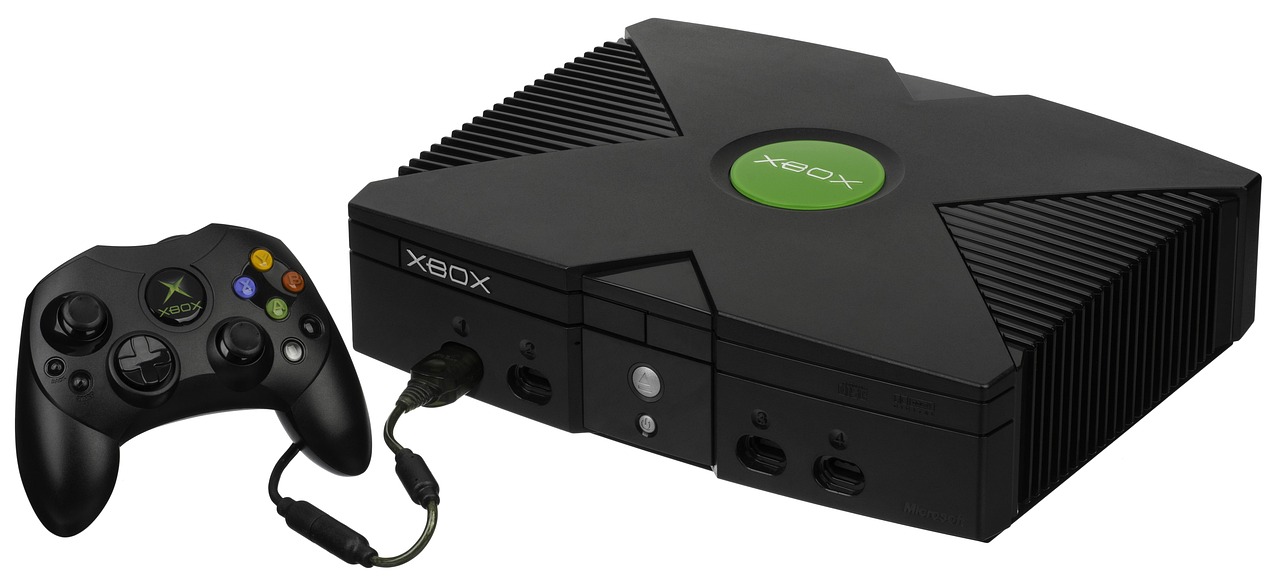
The company has introduced the Surface RTX Spark Dev Box, a compact desktop for developers working on AI and machine learning projects. The device aims to connect local development with cloud deployment, offering hardware that can handle mid-range AI models locally while using cloud resources for more complex tasks. At the core of the Dev Box is Nvidia’s RTX Spark system-on-chip, which combines an ARM-based CPU with a Blackwell-generation GPU, along with 128 gigabytes of unified memory. This setup ensures continuous performance over long workloads, an essential feature for tasks like model training and inference.
Technical Architecture and Performance
The Dev Box’s design focuses on reducing hardware complexity. Traditional Windows PCs need separate components for the CPU, GPU, memory, and system RAM, but the RTX Spark combines these into a single chip. This integration is supported by a unified memory pool, accessible to both the CPU and GPU through Nvidia’s Unified Memory Access architecture. Typical gaming laptops with high-end GPUs usually have up to 24 gigabytes of GPU-accessible memory, whereas the Dev Box’s 128 gigabytes enable running models that typically need specialized cloud setups.
The company has made significant changes to the operating system to take advantage of this architecture. Windows 11 Pro is pre-configured with improved memory handling, allowing the GPU to access more system memory, adjusting page size allocations for shared memory regions, and preventing heavy GPU tasks from affecting CPU multitasking. The Windows scheduler is also optimized for the RTX Spark’s heterogeneous core layout, directing demanding tasks to performance cores while keeping efficiency cores available for background processes.
Related: MiniMax M3 outperforms rivals at fraction of cost
Thermal and Design Innovations
The Dev Box’s thermal design is built for continuous performance. It operates within a 100-watt power envelope, a relatively low by desktop standards. The design includes a notable difference from competitors, with heat dissipation managed through advanced materials. The exterior features a sleek profile that balances functionality with aesthetics, ensuring the device remains cool even during prolonged use.
The machine’s construction uses lightweight yet durable materials, reducing overall weight without compromising structural integrity. Cooling channels are strategically placed to optimize airflow, enhancing thermal efficiency. These design choices ensure the device remains reliable under heavy workloads while maintaining a compact form factor suitable for various environments.
Pre-Configured Environment
The device comes with a ready-to-use setup, streamlining the developer experience. Software tools are pre-installed, eliminating the need for complex configuration. This ready-to-use setup reduces the time required for deployment, allowing developers to focus on their projects rather than setup tasks. The company’s emphasis on minimizing setup friction reflects a broader commitment to improving productivity in development workflows.
Related: Key Competencies of an HR Manager in Dubai in 2026
The device supports a range of programming languages and frameworks, ensuring compatibility with existing development ecosystems. Integration with cloud services is seamless, enabling smooth transitions between local and remote environments. These features collectively enhance the developer experience, making the device a versatile tool for both individual and team-based projects.
Competitive Positioning
The device occupies a distinct performance level compared to similar offerings. Its combination of hardware and software features provides a compelling alternative to existing solutions. The company’s executive highlighted that the device’s capabilities are already optimized for most AI/ML tooling, reducing the need for extensive customization. This approach positions the device as a strong contender in the market, appealing to developers seeking a balance between performance and flexibility.
The company’s strategy leverages its existing ecosystem to create a cohesive development environment. Partnerships with software providers ensure compatibility with industry-standard tools, further enhancing the device’s value proposition. These efforts aim to establish the device as a preferred choice for developers working on complex AI/ML projects.
Related: Michael Eastwood: Tech Wizard, Systems Architect, and Co‑Founder of Refai
Three-Tier Hardware Strategy
The company’s approach includes a three-tier strategy, focusing on providing scalable solutions for different use cases. The first tier targets individual developers, offering a compact and cost-effective option. The second tier caters to small teams, providing enhanced performance and collaboration features. The third tier is designed for enterprise environments, offering robust hardware and advanced security measures. This tiered approach ensures the company can address a wide range of needs within the development community.
The company’s three-tier strategy also includes integration with cloud services, allowing users to scale resources as needed. This flexibility is key for handling projects of varying complexity and size. By providing options that cater to different requirements, the company aims to create a versatile platform that supports both short-term and long-term development goals.
Strategic Implications
The company’s move challenges the industry’s assumption that serious AI work must occur in the cloud. By offering a machine that challenges this assumption, the company positions itself to control both the developer’s local environment and the cloud deployment pipeline—a potentially more durable advantage than controlling only the cloud. Whether this strategy succeeds will depend on factors like the device’s real-world performance, its cost, and the pace of open-source model development within its memory envelope. For now, the company is redefining the approach by proposing a model where developers can purchase computing power instead of renting it per token.





Leave a Reply