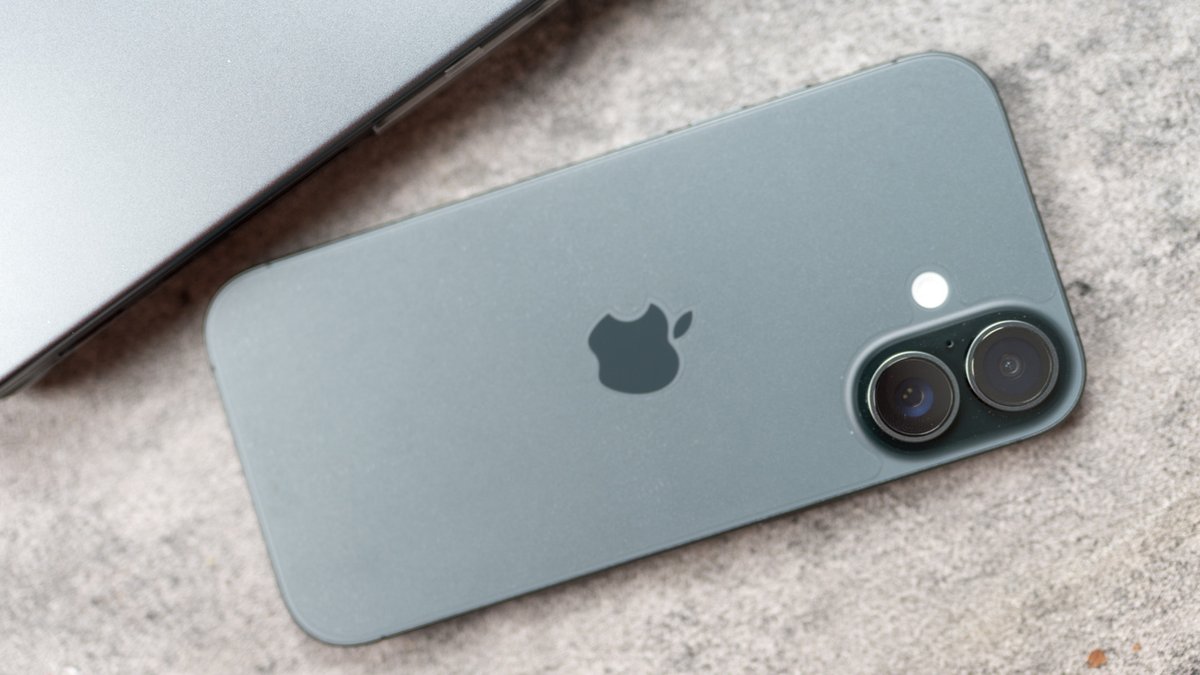
To protect your iPhone’s battery health for long-term storage, Apple recommends charging it to around 50% before storing it. This may seem counterintuitive, as you might think that fully charging your iPhone is the best way to preserve its battery life. However, Apple says that keeping your iPhone in a completely charged state for a significant duration can impact the phone’s battery health and cause it to lose some capacity.
On the other hand, a completely discharged iPhone risks falling into a deep discharge state, which can cause it to stop charging at all, resulting in the need for a battery replacement. To avoid this, it’s essential to charge your iPhone to 50% and then shut it down before storing it.
Besides the 50% battery level, Apple says it is important to power down your iPhone to prevent it from using the battery and resulting in a complete discharge. Environmental conditions, such as temperature and humidity, can also impact the battery’s health. The ambient temperature should be less than 90 degrees Fahrenheit, and the storage location should be cool and moisture-free.
Related: Gemini Update Offers Android Users Chrome Alternative
Another important step in protecting your stored iPhone’s battery health is to charge it back up to 50% every six months of storage. Although a switched-off iPhone barely consumes any power, lithium-ion batteries lose a tiny amount of power due to self-discharge, resulting in a power loss of around a couple of percentage points per month.
This self-discharge is a result of the internal chemical reaction and can be mitigated by checking your stored iPhone every six months and topping up the battery level to 50%. By doing so, you can ensure that there is very limited impact on your iPhone’s battery health. It’s also worth noting that a switched-off iPhone still consumes some power to maintain the correct date and time and keep the phone ready for boot-up.
In practice, this means that storing your iPhone in a cool, dry place and checking on it every six months can help preserve its battery health. For people who plan to store their iPhone for an extended period, following these steps can help ensure that their device remains in good condition when they’re ready to use it again. By taking these simple precautions, you can help extend the life of your iPhone’s battery and keep it functioning properly.
Related: Zillow AI ROI numbers stand up to scrutiny
By charging your iPhone to 50% and storing it in a cool, moisture-free location, you can help minimize the impact of self-discharge and keep your battery healthy. Checking on your iPhone every six months to top up the battery level can also help prevent deep discharge.
By following these guidelines, you can help ensure that your iPhone remains in good condition, even after extended periods of storage. The official Apple website provides more information on how to care for your iPhone’s battery and maintain its overall health.





Leave a Reply