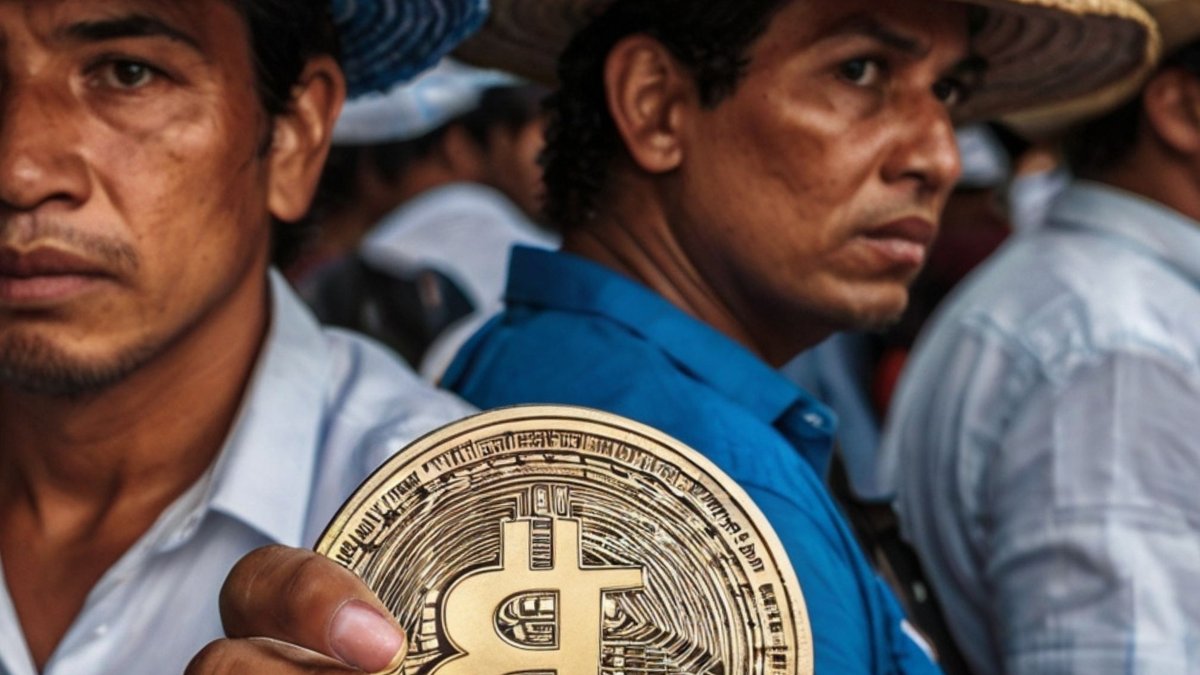
The International Monetary Fund (IMF) has forced El Salvador to abandon its Bitcoin strategy entirely under a new economic deal. This reverses the country’s 2021 decision to become the first nation to adopt Bitcoin as legal tender, a move that had drawn global attention.
IMF Orders Complete Bitcoin Phase-Out
El Salvador must stop all Bitcoin purchases and mining by December 2025. The government’s Bitcoin trust fund—created to support public sector acquisitions—will be liquidated. By March 2024, officials must submit a full accounting of all Bitcoin assets, including those held in wallets, ATMs, and programs like the Chivo wallet and Bitcoin Office. An audit of Chivo’s finances is also required, with findings due by mid-2025.
The IMF’s demands stem from concerns about El Salvador’s economic health, including chronic deficits and mounting debt. Despite gains in tourism and security, broader fiscal imbalances have forced this shift. The fund’s rules now prohibit any public-sector Bitcoin-linked debt, effectively blocking proposals like Bitcoin Bonds, which had been earmarked for mining and the development of Bitcoin City, a planned tech hub.
President Nayib Bukele had previously resisted IMF criticism of the Bitcoin Law, but his administration now backs key legislative changes to align with global financial norms. This marks a significant retreat from the country’s earlier crypto enthusiasm.
Related: Pentagon Chooses OpenAI Safety Stack Over Anthropic
Funding Tied to Bitcoin Exit
The IMF’s $1.4 billion aid package could unlock up to $3.5 billion more from the World Bank and Inter-American Development Bank, but only if El Salvador complies with the Bitcoin phase-out. The conditions reflect a broader trend: nations experimenting with unconventional monetary policies often face resistance when those moves clash with traditional fiscal rules. El Salvador’s aggressive Bitcoin push made it an outlier, even among crypto-adopting countries.
The government’s decision highlights the tension between innovation and economic stability. Early supporters of digital currencies frequently encounter skepticism from financial institutions prioritizing predictability over experimentation. For El Salvador, the choice now is between preserving its crypto identity or securing the stability needed to attract investment.
Compliance hinges on meeting strict deadlines. The immediate focus is on inventorying public Bitcoin holdings and auditing Chivo. Liquidating the trust fund and halting all accumulation will take longer, but the timeline is now fixed. Missing these targets risks losing the IMF funding and related support.
Related: Galaxy Watch update drains battery unexpectedly
The country’s Bitcoin experiment appears to be ending. This shift mirrors global trends where nations reconsider high-risk financial strategies in favor of stability. Whether this move will rebuild confidence or merely postpone deeper reforms is unclear.
The next 18 months will determine El Salvador’s economic path. Success in meeting IMF benchmarks could restore access to critical funding and signal a return to conventional management. Failure may lead to prolonged financial strain, forcing a reckoning with the consequences of its earlier crypto bets.




Leave a Reply