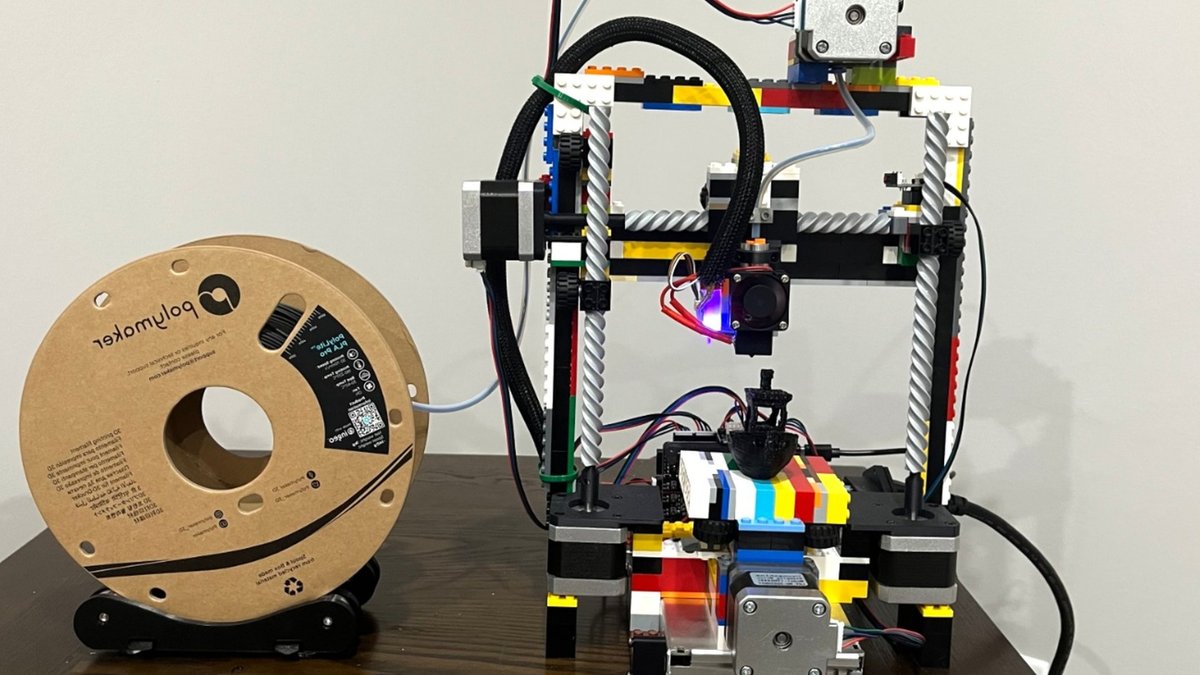
A University of Waterloo mechatronics engineering student, Adam Turaj, built a working 3D printer mostly with Lego parts. The project, called StudPrint, is 92% composed of Lego and includes the frame, motion system, and extruder. Turaj, who was 18 at the time, designed the open-source project on a PC with an AMD Ryzen 5 7600x Processor.
The project’s success shows the versatility of Lego and the creativity of its builders. Turaj’s design is available on GitHub, allowing others to access and build their own versions.
Turaj spent $173.35 to assemble the device, making it a cost-effective way to get into 3D printing. The cost may vary depending on the parts and sources used by prospective builders. The project’s description notes that Turaj challenged himself to use classic bricks where possible, but other builders can substitute these with newer or alternate colored bricks to fit their own style.
Read Also: Apple’s HomePod mini 2 faces criticism over price
Builders can also modify the design to make it their own, such as adding minifigures, expanding the frame, or engineering methods to increase its speed. The StudPrint project shows that building a 3D printer can be a fun and creative experience, especially when using unconventional materials like Lego. This project is not the first time Lego has been used to build complex machines, as some builders have created functional machines like a life-sized car and an arcade machine using the toy bricks.
In comparison to other DIY 3D printing projects, the StudPrint’s use of Lego parts offers a unique approach to additive fabrication. By leveraging the versatility of Lego, Turaj’s design provides an accessible and cost-effective entry point for those interested in 3D printing. As the project continues to evolve, it will be interesting to see how other builders modify and improve upon the design.
The success of the StudPrint project demonstrates the potential for creative and innovative approaches to 3D printing. With the design available online, other builders can now attempt to craft their own versions of the machine, potentially leading to new and exciting developments in the field of additive fabrication. Turaj’s project has made 3D printing more accessible, and his use of Lego parts has inspired a new approach to building complex machines.




Leave a Reply