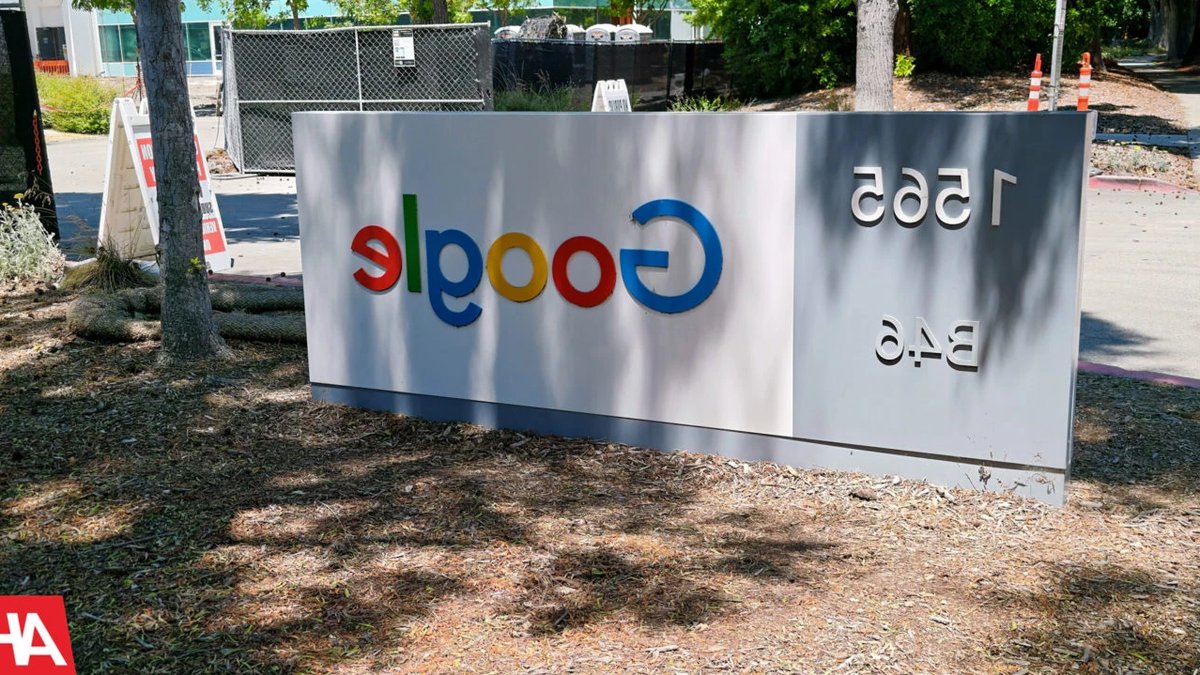
Google will pay £260 million to end a UK legal dispute brought by app creators over store fees.
Details of the UK agreement
The search giant has been accused of using its dominant market position to block alternative distribution channels and to impose a 30 % fee on sales and in‑app purchases. The claim originally valued the payout at about £1 billion, but the parties have now settled for a fraction of that amount.
According to the filing, a group of software makers alleged that the company forced them to route payments through its own system, effectively limiting competition. The complaint also said the firm prevented developers from offering their apps through rival marketplaces.
The case was slated for a hearing next month before the Competition Appeal Tribunal in London. Barry Rodger, who led the proceedings, announced a proposed settlement that still requires the tribunal’s sign‑off. The agreement does not include any admission of wrongdoing.
In practice, the settlement means the dispute will be dismissed without a trial, and the £260 million will be paid to the claimants. That sum represents roughly a quarter of the original demand, suggesting the parties reached a compromise that avoids further legal costs.
Related: Neighborhood Launches Alternative to Twitter
Wider impact on app marketplaces
Similar challenges have been raised against Apple, most notably by Epic Games, which argued that the same rate was excessive. Those cases have prompted regulators in the EU, Japan and Brazil to require both platforms to allow third‑party app stores.
On Android, Google has already begun permitting alternative stores, though it previously erected technical barriers to discourage the practice. Apple, meanwhile, must let developers include links to lower‑cost payment options in regions outside the United States.
For many independent developers, the ability to bypass the dominant payment system could translate into lower prices for users and higher margins for creators. The settlement may also encourage other small firms to pursue similar actions, knowing that a sizable payout is possible without a protracted court battle.
Analysts note that the agreement could influence future negotiations in other jurisdictions, especially where competition authorities are scrutinizing digital platform practices. While the firm has not changed its fee structure globally, the pressure to offer more flexible options is likely to grow.





Leave a Reply