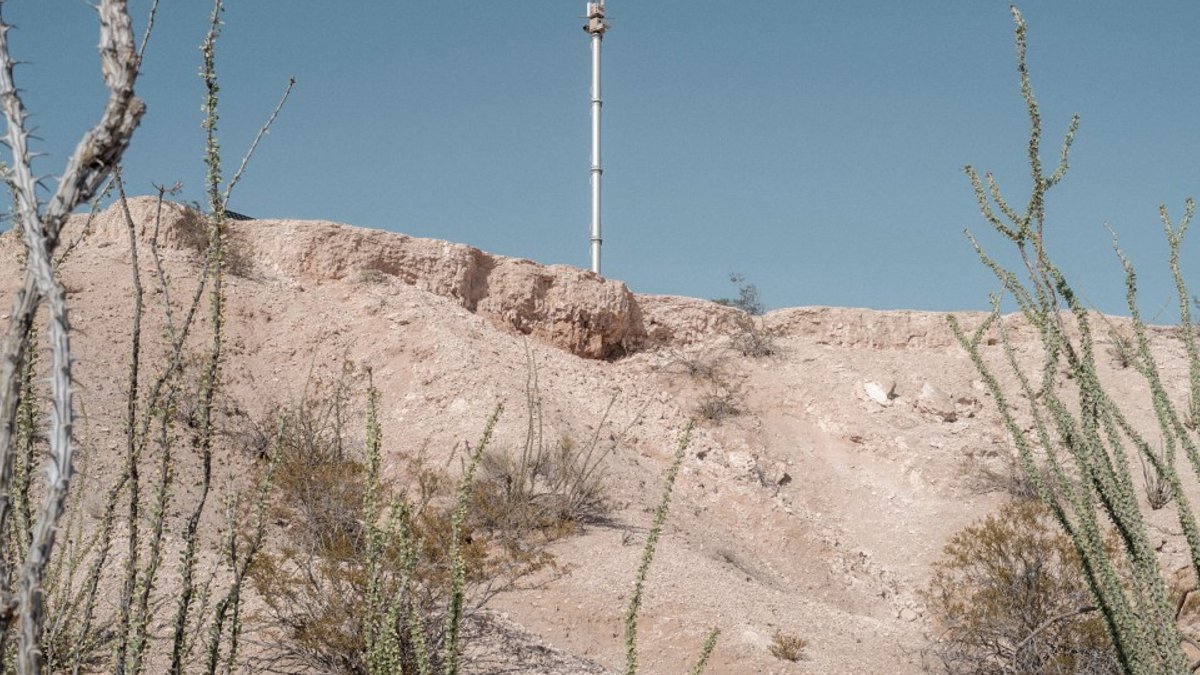
The US has invested billions in border surveillance technology, yet migrants continue to die within sight of its cameras. A 15-month investigation by a technology research group exposes how the system, dubbed the “virtual wall”, fails to prevent fatalities despite its high cost and advanced capabilities.
In April 2024, José Morales Bernal, a 32-year-old migrant, crossed into the US near a monitored stretch equipped with three AI-powered surveillance towers. If the system had worked as intended, he would have been apprehended. If he needed medical help, agents were trained to provide it. Instead, he died 360 feet from the nearest tower, his body found by local landfill workers rather than Border Patrol. An autopsy later confirmed he had succumbed to “environmental exposure.”
Read Also: AI poses bioweapon design threat
The case is not isolated. By mapping nearly 4,000 locations where human remains were discovered and cross-referencing them with data on nearly 600 surveillance towers, the investigation uncovered a pattern: a humanitarian crisis unfolding directly within the field of view of government cameras. Since 2022, at least 138 migrant deaths have occurred within the operational range of these towers, according to the Times of San Diego. More than half of those deaths likely took place where the surveillance system should have been active.
One such case involved Gómez Hernández, whose death was documented by reporters in San Diego. Like Morales, she was within range of a tower when she died. The investigation revealed systemic failures: broken equipment, algorithms that failed to detect people and agents who did not respond to alerts when they did arrive. Despite these flaws, the US government is preparing to spend an additional $1 billion to expand the virtual wall’s coverage, tripling its size.




Leave a Reply