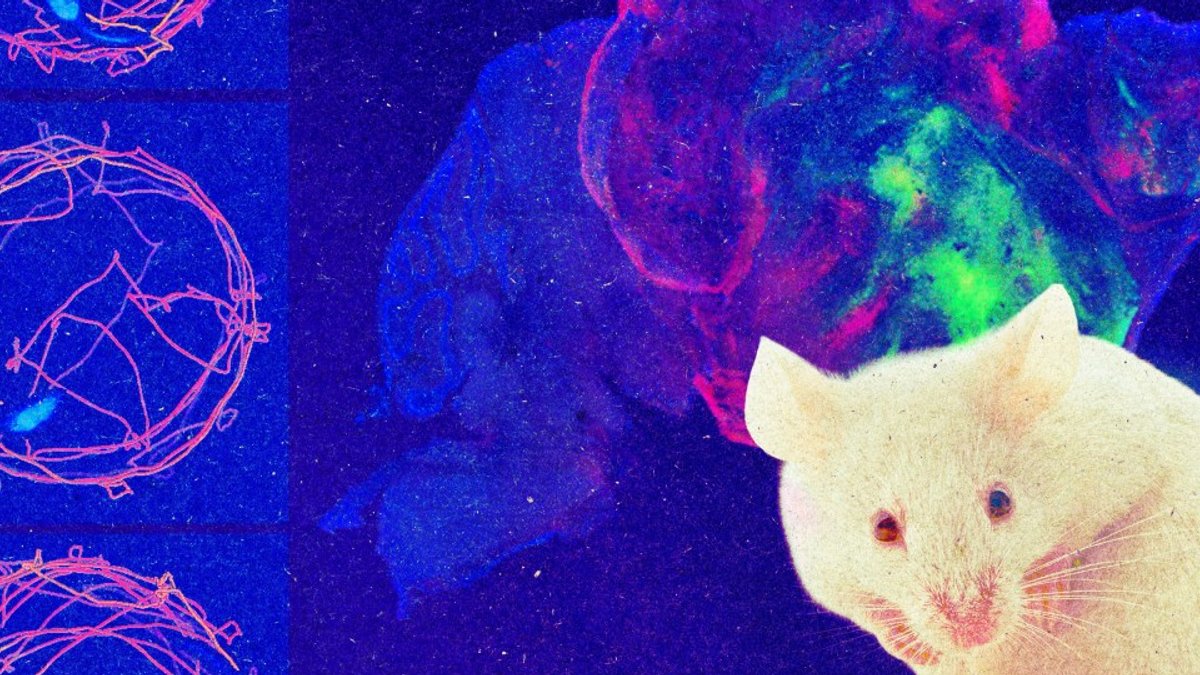
Researchers at Stanford University have created mice whose brain cortex is largely composed of human brain organoids, a step that could change studies of neurological disease.
Modified mice host human cells
The project was directed by neuroscientist Sergiu Pașca, who removed most cortical and hippocampal cells from the animals, leaving a vacant region for transplanted human neural tissue. Genetic modifications blocked the normal growth of those areas, creating space for the organoids to expand.
Although the engineered rodents lacked key brain structures, they moved normally and emitted typical rodent vocalizations, yet they performed poorly on memory challenges. In a standard maze, they could not remember arms they had previously explored, indicating a deficit in spatial learning.
Cognitive impact and ethical debate
When human organoid cells were introduced into the empty cortical zone, the grafts proliferated and filled most of the space within weeks. Those animals that received the grafts showed better performance on the same maze, suggesting that the transplanted tissue contributed to improved cognition.
The results broaden possibilities for modeling brain injury and for testing regenerative therapies. Stanford scientist Carsten Charlesworth, who was not involved in the work, said the experiment demonstrates how stem-cell technology and genetic engineering can alter biology.
Read Also: AI leaders urge pause on risky model development
“What’s most remarkable to me is the extent to which human neural tissue introduced after birth grew and connected with the mouse nervous system across a species barrier,” Charlesworth explained, emphasizing the unexpected integration of the grafts.
Ethicists have warned that expanding human neural tissue in animals could blur cognitive boundaries. Pașca previously convened a panel to assess risks such as inadvertent development of human-like consciousness or the emergence of unregulated organoid-therapy clinics.
Given the tiny size of the rodent brain and the evolutionary gap, Pașca does not anticipate the animals will acquire human-level cognition. He stresses that the same approach should not be applied to higher species, where larger volumes of human tissue could raise profound moral questions.
Future work may focus on refining the model to isolate specific neural circuits, offering a more precise platform for drug testing and injury repair studies. As the technology matures, investigators will need to balance scientific gain with the responsibility to set clear limits on cross-species neural integration.




Leave a Reply