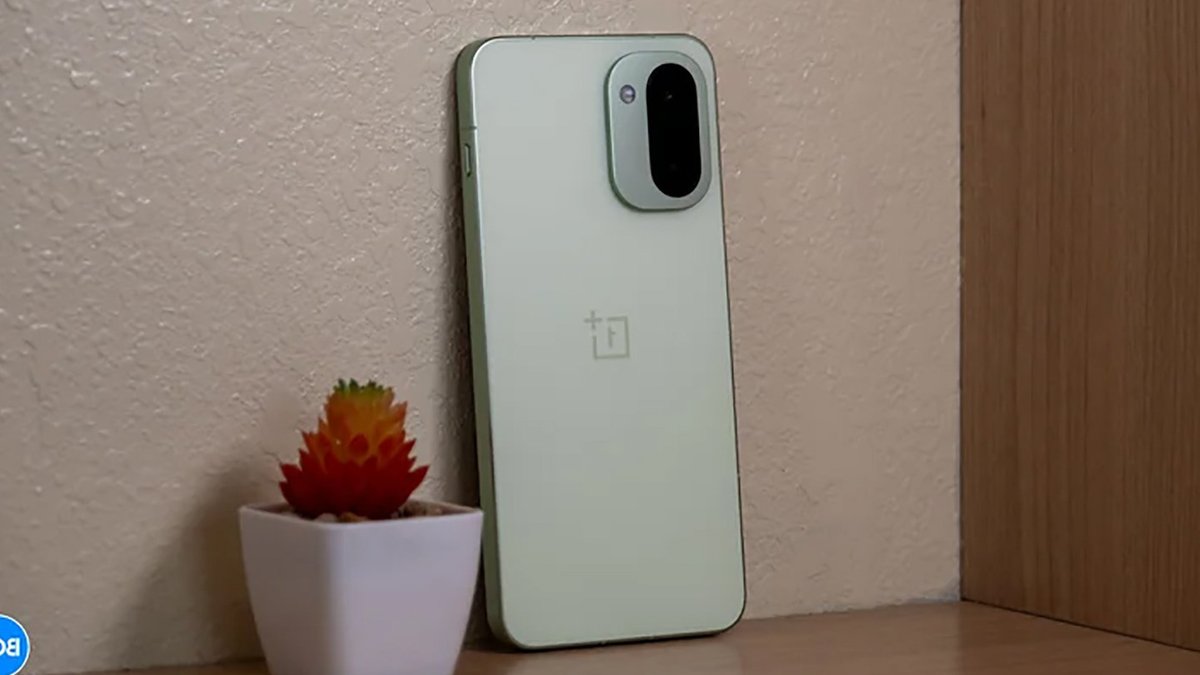
Even though the manufacturer is scaling back its presence in the U.S. and U.K., the devices are still available in stores. If you are hunting for a new device, you will notice the same numerical naming convention with and without an ‘R’ appended to the end of the number. The ‘R’ series is consistently positioned as the more affordable option, but the savings come at the cost of specific hardware features. This strategy has remained consistent across releases, including the OnePlus 15 versus the 15R, and the 12 versus the 12R from the previous year.
Screen Tech and Processor Tiers
Price differentials typically hover around $200 to $300 depending on the generation. For instance, the OnePlus 15 costs more than the 15R, just as the 12 cost more than the 12R in the prior cycle. The display technology shifts between these models, with the ‘R’ variant utilizing an LTPS screen that adjusts refresh rates from 60Hz up to 165Hz. This contrasts with the standard model’s wider range of 1-165Hz, though the distinction is likely invisible unless you are a heavy multitasker.
Performance capabilities also vary, with the flagship version often sporting a newer or more powerful processor. The standard model generally offers faster charging speeds, such as 80W on the 15 compared to 55W on the 15R. While the raw power difference is noticeable on paper, both chips are capable of handling most modern applications effectively.
Related: Android phones lose access to Google Play
Camera Limitations
The camera hardware sees the most drastic reduction. While the Hasselblad partnership ended after the OnePlus 13, both the 15 and 15R feature a 50MP main camera and a 32MP selfie sensor. However, the ‘R’ phone pairs its main lens with an 8MP ultrawide camera, whereas the flagship uses a 50MP ultrawide lens. Additionally, the telephoto lens found on the standard model is missing entirely from the cheaper ‘R’ version.
This tiering structure allows the company to offer a device that feels like a flagship in terms of software and build without the premium price tag of the top-tier sensor suite. It targets the segment of buyers who want longevity and reliability but do not require the specialized hardware for professional-grade photography. Essentially, the ‘R’ phones provide a value-oriented path to the same operating system experience.
Memory configurations also differ, with the 512GB version of the OnePlus 15 supporting 16GB of RAM, while the ‘R’ model tops out at 12GB for all storage configurations. Battery sizes are competitive, with the ‘R’ series holding a slight edge at 7,400mAh over the 7,300mAh of the standard 15. Despite these steps down, the specifications remain significantly better than many competitors on the market.




Leave a Reply